

Tax season sneaks up on small business owners.
One minute, you’re focused on customers, payroll, and keeping your business running. The next, you’re gathering receipts, reviewing expenses, and wondering whether you missed an opportunity to save money on taxes.
But here’s something to understand: tax planning and tax preparation aren’t the same.
Both are important, but they serve different purposes. Tax preparation focuses on accurately reporting financial activity, while tax planning helps you understand the potential tax consequences of decisions before making them.
Knowing the difference can help you avoid surprises, manage cash flow, and make better financial decisions throughout the year.
Affiliate Disclosure: This article contains affiliate links. If you join Wealthy Affiliate through one of my links, I may earn a commission at no additional cost to you. I recommend only products and services I have personally used or genuinely believe will add value for my readers. All opinions expressed in this review are my own.
What Is Tax Preparation?
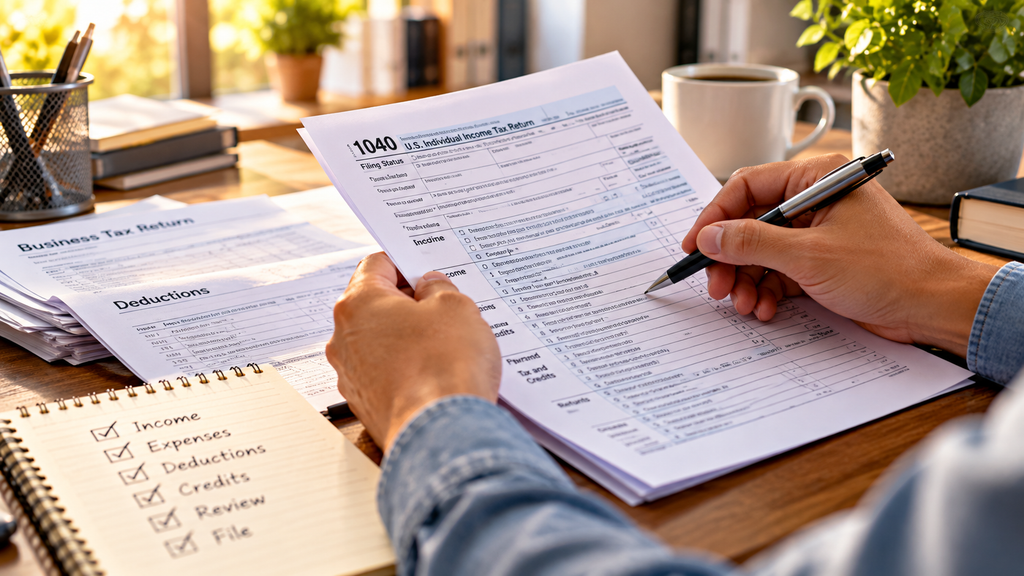
Tax preparation involves gathering financial information, calculating tax obligations, and preparing required tax returns.
For small businesses, this may include reviewing income, expenses, payroll records, deductions, and supporting documents.
Depending on your business structure, business activity may be reported on your individual tax return or a separate business return.
What Does Tax Preparation Include?
Common activities include:
- Reviewing business income and expenses
- Organizing receipts and financial records
- Identifying eligible deductions and credits
- Preparing applicable federal and state tax returns
- Checking calculations and filing requirements
Tax preparation is essential for compliance, but it can only change past financial decisions so much.
For example, if you purchased equipment last year, your tax preparer can determine its appropriate tax treatment. However, they generally cannot change when you made that purchase.
That’s where tax planning becomes useful.
What Is Tax Planning?
Tax planning involves evaluating financial decisions and their potential tax consequences before taking action.
Instead of focusing only on filing returns, it considers how your business earns income, spends money, and prepares for future changes.
Tax planning may involve:
- Reviewing estimated tax obligations
- Evaluating major business purchases
- Considering retirement contributions
- Assessing business structure decisions
- Preparing for expansion or asset sales
- Reviewing available deductions and credits
The goal isn’t to avoid paying taxes. The goal is to make informed decisions while complying with applicable tax laws.
A deduction isn’t automatically worthwhile if the underlying expense doesn’t make financial sense.
Tax Planning vs Tax Preparation for Small Business: Key Differences
| Focuses on future financial decisions | Focuses on reporting financial activity |
| Happens throughout the year | Often intensifies around filing deadlines |
| Evaluates potential tax consequences | Calculates and reports tax obligations |
| Supports cash flow and financial planning | Supports tax filing compliance |
| Considers long-term business goals | Uses records to prepare tax returns |
The simplest distinction: Tax planning helps you decide what to do. Tax preparation helps you report what you did.
Both depend on accurate bookkeeping.
When Should Small Businesses Start Tax Planning?
Ideally, tax planning begins before major financial decisions—not just a few weeks before filing a return.
For a new business, that might mean discussing tax considerations when choosing a business structure.
For an established business, it could mean reviewing financial performance periodically.
Consider a tax planning review when:
- Business income changes significantly.
- You’re hiring employees or expanding.
- You’re considering major equipment purchases.
- Your expected tax liability changes
- You’re changing your business structure.
- You’re preparing to sell assets or retire.
You should also revisit tax planning when federal or state tax laws change.
A year-end review can still be valuable, but some opportunities require action earlier.
Do Small Businesses Need Tax Planning or Just Tax Preparation?
Every business must meet its applicable tax reporting obligations. However, the amount of tax planning needed depends on its circumstances.
A freelancer with straightforward income and expenses might need only occasional planning discussions alongside annual tax preparation.
A growing business with employees, inventory, multiple revenue streams, or substantial investments may benefit from more frequent reviews.
For example, buying equipment solely to claim a deduction may not be worth it if it creates cash flow problems.
The better question is whether the purchase supports the business and how its tax treatment affects the overall cost.
Does Your Business Structure Affect Tax Planning?
Yes. Different business structures have different federal tax considerations.
Sole proprietorship: Business income is generally reported on the owner’s individual return. Net earnings may be subject to self-employment tax.
Single-member LLC: Generally treated as a disregarded entity for federal income tax unless another classification is elected. Special tax treatment may apply.
Multi-member LLC: Generally classified as a partnership unless another eligible tax classification is elected. Special rules may apply to certain married owners in community-property states.
S corporation: Planning may involve shareholder compensation, distributions, payroll obligations, and eligibility requirements.
C corporation: Generally files its own federal income tax return. Shareholder compensation and distributions can create additional tax considerations.
An LLC isn’t automatically taxed differently from a sole proprietorship. Its federal tax classification matters.
State tax treatment may also differ from federal rules, so it’s important to review your options with a professional before changing your business structure.
How Does Bookkeeping Support Tax Planning and Preparation?
Reliable tax decisions require accurate financial information.
Good bookkeeping helps you understand revenue, expenses, profitability, liabilities, and available cash.
For tax preparation, organized records support reported amounts and help identify eligible deductions.
For tax planning, they provide information needed to estimate obligations and evaluate upcoming decisions.
For example, if your business earns substantially more than expected, updated records can help your tax professional assess whether you need to adjust your tax payments.
Without current records, you’re largely relying on estimates.
Want clearer financial records before your next tax planning conversation? Discover how IntegriBooks can help keep your small-business bookkeeping organized and tax-ready.
Do Small Businesses Need to Make Estimated Tax Payments?
Not every business owner must make estimated tax payments.
Federal income taxes generally follow a pay-as-you-go system, meaning you pay taxes during the year through withholding, estimated payments, or a combination of both.
Whether estimated payments are required depends on factors such as:
- Expected annual tax liability
- Income not subject to withholding
- Available tax credits and deductions
- Taxes already paid through withholding.
- Applicable IRS payment requirements
Self-employed individuals commonly make estimated payments, but sufficient withholding or other circumstances may change that requirement.
Corporations can also have estimated tax obligations under different rules.
Regular financial reviews help you assess your situation before payment deadlines.
What About Major Financial Events?

Tax planning becomes especially important when significant financial changes are approaching.
Selling Business Property
Selling equipment, commercial real estate, or other business assets may create taxable gains or losses.
Tax consequences depend on the asset’s adjusted basis, depreciation history, applicable depreciation recapture rules, and transaction structure.
Planning for Retirement
Business owners may have access to retirement arrangements with different eligibility requirements, contribution limits, and deadlines.
The right arrangement can affect current tax obligations and long-term financial goals.
Selling or Closing a Business
Selling ownership interests, transferring assets, or closing operations can create reporting obligations and tax consequences.
Planning before a transaction may preserve options unavailable afterward.
Federal and state rules can differ, so major transactions should be reviewed with a qualified tax professional.
Personal Taxes vs. Small Business Taxes: Does the Difference Matter?
Absolutely.
For sole proprietors and many pass-through business owners, business income affects their individual federal income tax returns.
That means business decisions may also influence personal estimated tax payments, retirement planning, and other tax considerations.
C corporations generally have separate federal income tax obligations, although shareholders may face personal tax consequences from compensation or distributions.
Understanding how business and personal taxes interact is especially important when planning major financial changes.
How to Get Started With Small Business Tax Planning
You don’t need an elaborate strategy to begin.
- Keep your bookkeeping current. Record transactions and reconcile accounts regularly.
- Review financial reports. Understand income, expenses, profitability, and cash flow.
- Identify upcoming decisions. Consider hiring, expansion, purchases, or ownership changes.
- Evaluate tax payment requirements. Review estimated taxes and withholding as applicable.
- Consult a qualified tax professional. Discuss strategies before significant transactions.
- Revisit your plan. Adjust when business circumstances or tax laws change.
Tax planning should support your business goals—not dictate every financial decision.
Frequently Asked Questions
Is tax planning the same as tax preparation?
No. Tax planning evaluates potential future tax consequences. Tax preparation focuses on calculating and reporting taxes under applicable rules.
Can tax planning guarantee lower taxes?
No. Tax planning may identify lawful opportunities to manage tax obligations, but results depend on eligibility, circumstances, and current laws.
Can small business owners handle tax planning themselves?
Owners can monitor financial performance and plan. Complex tax strategies generally benefit from qualified professional guidance.
Is tax planning only for profitable businesses?
No. Businesses experiencing losses, operational changes, or major transactions may also benefit from tax planning.
Final Thoughts: Why Small Businesses Benefit From Both
Tax preparation helps you meet your reporting obligations. Tax planning helps you understand the potential consequences of financial decisions before making them.
Neither replaces the other.
Both work better when your bookkeeping is accurate, organized, and up to date.
You don’t have to wait until tax season to start making smarter financial decisions. Consistent bookkeeping and periodic financial reviews provide a practical foundation.
Good tax decisions start with reliable numbers. Visit IntegriBooks to learn how organized bookkeeping can support your business year-round—not just at tax time.
Disclaimer: This article provides general information about U.S. small-business taxes and is not individualized tax or legal advice. Consult a qualified professional about your circumstances and applicable federal and state requirements.