

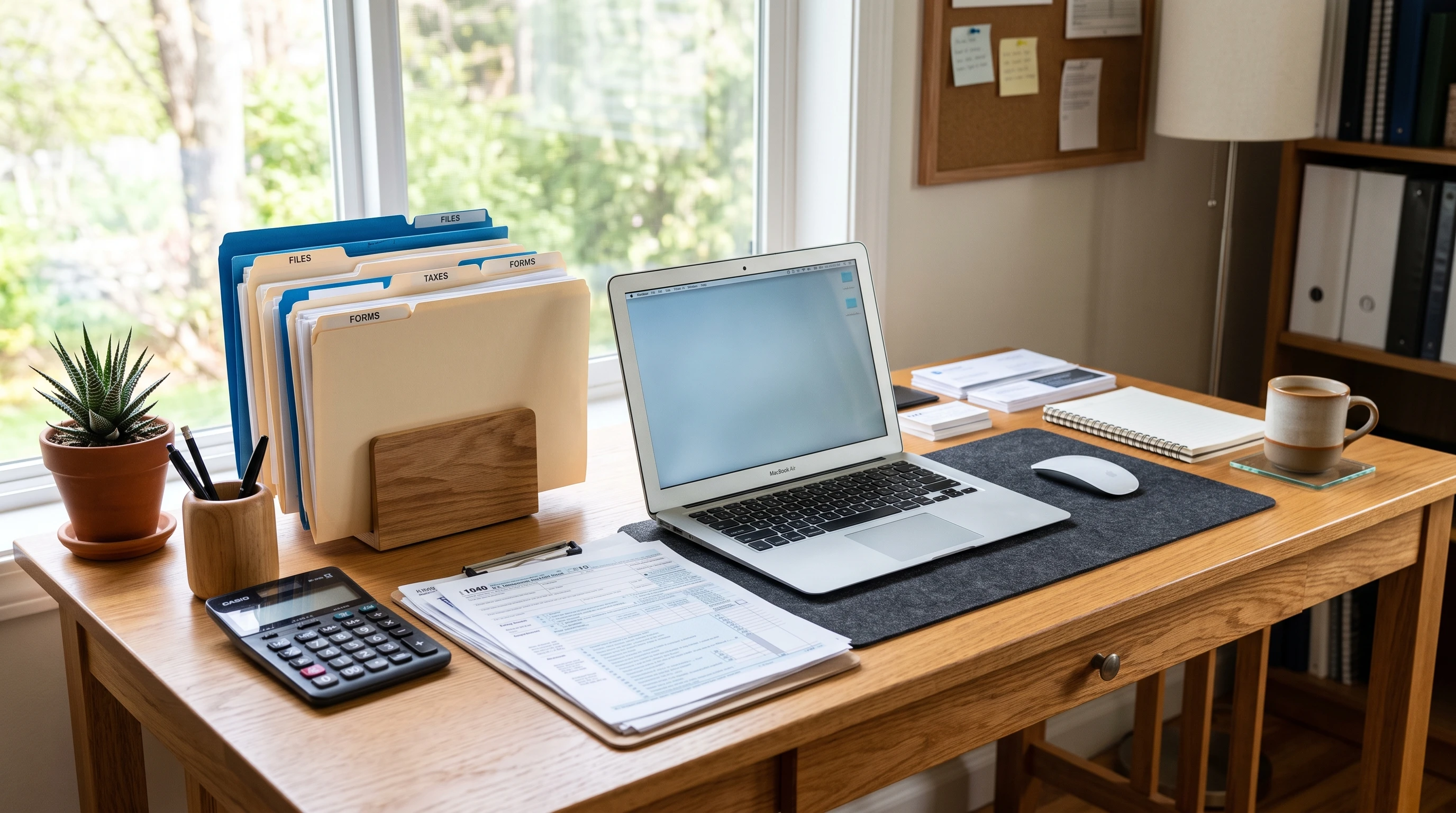
Preparing for your first tax appointment can feel a bit overwhelming, especially if you’re unsure what to bring or how to organize everything. On my first time meeting with a tax preparer, I remember feeling nervous about whether I’d forgotten an important document or missed something that could affect my return. Going in with the right expectations and materials helps make things go much smoother and saves everyone a lot of stress. I’m sharing everything I’ve learned to help you get ready and get the most out of your tax appointment, no matter if you’re filing as an employee, self-employed, or somewhere in between.
Why Preparing For Your Tax Appointment Matters
Staying organized before your tax appointment makes things easier for both you and your tax professional. Bringing the correct paperwork helps you get all eligible deductions and credits. It’s also key because it reduces the odds of needing follow-up appointments or delaying your refund. A little prep time now goes a long way in making the process much smoother.
Tax professionals are trained to spot ways you can save money or avoid mistakes. If you have everything ready to go, you’ll help your preparer focus on details that matter most for your specific situation. The IRS estimates that millions of Americans make mistakes on their taxes each year, sometimes just because important info was left at home. Taking time to get ready helps you avoid common problems like missing deductions, reporting incorrect numbers, or forgetting important forms.
People filing for the first time sometimes don’t realize how many different documents can impact their tax situation. If you’ve worked multiple jobs, have kids, own property, or run a small business, you’ll want to gather a few extra records so that nothing slips through the cracks.
Gathering Your Essential Tax Documents
If you’re planning for a tax appointment, start by collecting all relevant financial paperwork. I keep a folder with my W2s, 1099s, interest statements, and receipts throughout the year. This has saved me a ton of stress since I don’t have to scramble during tax season. Here’s a rundown of key documents you’ll likely need:
- W2 Forms: You’ll get a W2 from each employer you had during the year. It summarizes your earnings and the taxes withheld.
- 1099 Forms: If you did freelance work, received unemployment, earned bank interest, or made investments, you’ll get one or more 1099 forms.
- Bank and Investment Statements: Bring any forms showing interest, dividends, or capital gains. The most common documents are 1099INT and 1099DIV.
- Proof of Healthcare Coverage: Health insurance providers may send a 1095A, 1095B, or 1095C showing your coverage for the year.
- Mortgage or Property Documents: If you own a house, bring statements showing interest you paid (Form 1098) and records of property taxes paid.
- Educational Expenses: Form 1098T shows tuition paid, and Form 1098E lists any student loan interest.
- Childcare Statements: If you pay for daycare, gather records of payments and your provider’s tax identification number.
- State and Local Tax Forms: Some localities send additional forms, such as state income tax or personal property tax forms.
- Receipts for Donations or Medical Expenses: Receipts for charitable giving or high medical bills may help you reduce your taxable income if you itemize.
Keeping these documents together in one place helps your preparer quickly figure out your total income, deductions, and credits. If you own investments or earn side income, not all tax forms come at the same time—some financial institutions send them weeks after others. Staying alert and double-checking your mail or online statements ensures you don’t miss any valuable documents.
Understanding Your Personal and Family Situation
Tax returns are personal. Besides financial records, I always bring information about any changes in my family situation. This is especially important if you had major life events in the past year, like getting married, divorced, or having a child. These details affect factors such as your filing status, dependents, and eligibility for tax credits.
Here’s what you should consider bringing in addition to your financial forms:
- Social Security Numbers and Birth Dates: Bring SSNs and birthdates for yourself, your spouse, and any dependents. This is necessary for tracking down things like the Child Tax Credit or Earned Income Tax Credit.
- Records of Major Life Events: If you got married, divorced, had a child, or someone in your family passed away, make sure you have any court paperwork or certificates.
- Adoption, Education, or Disability Papers: These might make you eligible for credits like the Adoption Credit or educational tax benefits.
If you changed addresses or had a name change, alert your preparer, too. These small updates can prevent IRS processing delays. Proper documentation ensures your records align with what’s on file with the IRS and the Social Security Administration.
Special Documents For Self-Employed Or Small Business Owners
If you’re self-employed or run a small business, your tax appointment will require you to bring a few extra items. My experience as a freelancer showed me that having organized records makes a big difference in the process and my final tax bill.
- Income Records: Collect all 1099NEC or 1099K forms and client payment statements.
- Business Expense Receipts: Save receipts for office supplies, mileage logs, internet service, phone bills, and travel expenses.
- Home Office Expenses: If you use part of your home for your business, have records of utility bills, rent or mortgage, and the size of your office space.
- Tax ID Numbers: Bring your business EIN (Employer Identification Number) if you have one.
For those who are new to business ownership, remember that some deductions for business meals, travel, and even professional development events can make a big difference in lowering your tax bill. It also helps to keep a mileage log if you use your car for business. IRS Self-Employed Tax Center with detailed guides and frequently asked questions.
Practical Steps To Get Ready Before Your Appointment
I always start by using a checklist to make sure I have all the required documents and personal details. This prevents second trips and makes my appointment faster. Here are some practical tips that help me get ready:
- Gather Your Documents Early: Set aside time a week or two before your appointment to collect and review documents.
- Sort Receipts and Forms: Keep everything related to income in one pile and deductions in another.
- Review Last Year’s Tax Return: Bring last year’s return with you so the preparer can review changes, carryover items, and potential missed deductions.
- Write Down Questions: If you have questions or concerns, like changes in tax law or eligibility for credits, write them down beforehand.
For business owners or those with complex situations, a spreadsheet helps track expenses in categories. Even sticky notes or labeled envelopes make a difference if you’re not a fan of spreadsheets. Do what works for you—an organized approach saves time on appointment day and makes filing next year even easier.
Challenges You Might Face And How To Handle Them
Sometimes the hardest part is knowing what’s missing. I’ve faced situations where forms never arrived, or I wasn’t sure if a certain deduction applied to me. Here are a few hurdles that might come up:
- Missing Documents: If you’re missing a key form (such as a W-2 or 1099), reach out to the issuer as soon as possible. Employers and banks can often send you a replacement.
- Unclear Deduction Rules: If you’re not sure what you can write off, bring receipts anyway and ask your preparer. They will let you know what counts and what doesn’t.
- Too Many Documents: Sometimes it feels like you have more paperwork than you need. I sort through everything and remove duplicates or outdated statements, only bringing current-year info.
Preparation makes these challenges easier to handle. If something is missing or confusing, honest communication with your tax preparer helps ensure nothing is overlooked. It can also be helpful to call your preparer’s office in advance and ask whether you should bring any additional documents for your specific situation.
Smart Tips For A Smooth Experience
Here are a few extra tips that have saved me hassle during tax appointments:
- Be On Time: Arriving a few minutes early helps you settle in and gather your thoughts.
- Double-Check Names and Numbers: Simple errors, such as a misspelled name or an inverted Social Security number, can delay your refund.
- Bring A Photo ID: Most preparers ask for photo identification for both you and your spouse if filing jointly.
- Consider EFile Authorization: If you want your preparer to file your taxes electronically, some forms require your signature. Ask which forms you’ll need to sign before you go.
- Bring Direct Deposit Info: A blank check or bank statement (with your account and routing number) speeds up your refund if you want direct deposit.
Staying organized and alert during your appointment can help your preparer spot every relevant deduction and prevent future IRS issues. If you’re worried about missing something, jot down a quick checklist on your phone or a notepad the day before. Taking notes during your appointment also helps keep track of advice and tips for next year.
Frequently Asked Questions
What if I forget a document?
Let your tax preparer know if you forgot something. They can often start your return and let you submit any missing info later, either by email or during another in-person visit. Try to get any needed documents as quickly as you can so you don’t delay your return.
Is it okay to bring digital copies instead of paper?
Most preparers accept digital documents as long as the scans are clear and complete. Check in advance if your preparer has specific requirements for digital vs. paper files.
How long does a first-time appointment usually take?
The meeting length depends on your situation, but my appointments usually take 30 to 90 minutes. Having your documents organized helps speed things up. If this is your very first time, expect it to be a bit longer because you and the preparer will go over your personal history and ensure everything is correct.
What should I do if my tax situation changes during the year?
Include details about your change, such as a move, marriage, a new job, or a dependent. Your preparer will walk you through anything new that might apply.
Final Thoughts On Being Prepared
Getting ready for your first tax appointment feels a lot easier when you know what to expect. Bringing organized documents, personal details, and any questions helps make the experience less stressful, not just for you, but for your tax preparer, too. Each year, the process gets simpler as you develop your own system for staying organized. Building these habits will help you feel more confident year after year. Keep the focus on staying prepared, asking questions, and learning from each appointment. With practice, you’ll spot what matters most for your taxes and settle into a smooth, worry-free filing season every time.
This guide on how to prepare for your first tax appointment is meant to take the stress off you during tax season. I’ve seen a lot of people push aside preparing for tax season because it can be overwhelming, but with this guide, you can see how easy preparing is, so don’t let that be you!
Stay organized throughout the year, and tax season will be easy, peasy….and contact me to assist you with your taxes for even less stress!!
About the Author
Chastity Guevara
Founder | IntegriBooks
Helping entrepreneurs build profitable businesses through accounting, tax expertise, digital marketing, and affiliate marketing education.
🌐 Website: https://integri-books.com
📧 Email: Chas@integri-books.com
Hi Chas,
I really love how you provided such a complete breakdown of everything needed to save time during tax filing. This post reads like an exact roadmap that anyone can follow to avoid unnecessary hassle! I am sure so many people will benefit from this guide, especially those who are unsure about which specific forms apply to their profession.
Figuring out tax forms and deductions is always a tricky hurdle for bloggers and affiliate marketers like me, so having everything laid out so clearly is immensely helpful.
Thanks for sharing such a practical and well-structured guide!
Hari
Hi Hari,
I hope you found some useful information in the article. Being prepared is helpful and yes, taxes for bloggers and content creators can be tricky. If you need any assistance, let me know!
Thanks, Chas
Hi Chas,
One thing that really stood out to me was the idea that preparing for tax season doesn’t actually start when you book the appointment—it starts with the habits you build throughout the year.
I’ve learned that lesson the hard way running websites and doing self-employment income. It’s amazing how much easier tax time becomes when receipts, invoices, and expenses are organized as they happen instead of trying to reconstruct everything months later. Not only does it save time, but it also gives you a much clearer picture of how your business is actually performing.
I also like that you reminded readers to come with questions instead of just paperwork. A good tax appointment shouldn’t just be about filing a return; it should also be an opportunity to learn something that helps you make better financial decisions going forward.
Thanks for putting together such a practical guide. I think it’ll help take a lot of the mystery out of a first tax appointment.
Jeremy
Hi Jeremy,
It is great that you already have those habits where you are preparing for tax season throughout the year. The thing that drives us tax preparers the craziest is receiving a shoebox full of receipts with no documentation or organization during the busy tax season! Keeping yourself organized will save you time, and ultimately money, for tax season. The more organized you are, the better so that your tax specialist can help you by finding those tax deductions.
Best of luck to you!
Thanks, Chas
I am fully retired, and this is now something I have to look at going forward. I am doing small jobs and am earning, such as a Live case study I did on side hustles where I drove for Uber for a month and earned 2k. I expect them to send a 1099 form this year and may owe taxes on earnings. Now that I know that, your article has given me the game plan I need to make sure I have it available and ready to go when tax time arrives.
Excellent Article!
Michael
Hi Michael,
I am glad my article can help you plan for this coming tax season. It is good to be prepared so that you avoid any penalties, added taxes, and/or frustration. If you need any tax advice, please ask!
Thanks, Chas