


Financial fraud doesn’t always begin with a suspicious phone call or a dramatic bank account breach.
Sometimes it’s a familiar-looking invoice with different payment details. Other times, it’s a tax return filed under your name, an unexplained withdrawal, or a payroll payment nobody can account for.
These situations can affect anyone, from individual taxpayers and freelancers to established businesses.
The good news? You don’t need to be a financial expert to recognize many warning signs.
Preventing tax and financial fraud starts with knowing what to look for, protecting sensitive information, and regularly reviewing your financial records.
Affiliate Disclosure: This article contains affiliate links. If you join Wealthy Affiliate through one of my links, I may earn a commission at no additional cost to you. I recommend only products and services I have personally used or genuinely believe will add value for my readers. All opinions expressed in this review are my own.
What Is Tax and Financial Fraud?
Tax fraud involves deliberately providing false information, concealing income, claiming fraudulent deductions, or using someone else’s identity for tax-related purposes.
Financial fraud is broader. It includes deceptive activities intended to steal money, obtain financial information, or manipulate financial transactions.
Common examples include:
- Tax identity theft: Someone uses your Social Security number to file a fraudulent tax return.
- Phishing scams: Criminals impersonate banks, tax agencies, or trusted businesses to steal information.
- Invoice fraud: A fake or altered invoice directs payment to a criminal’s account.
- Payroll fraud: Unauthorized payments are made through manipulated payroll records.
- Expense fraud: Someone submits false reimbursements or intentionally misrepresents business expenses.
Some incidents involve outsiders. Others may involve employees, contractors, or dishonest service providers.
Not every bookkeeping error is fraud, however. Fraud generally involves intentional deception, while ordinary accounting mistakes can happen without dishonest intent.
7 Warning Signs of Tax and Financial Fraud
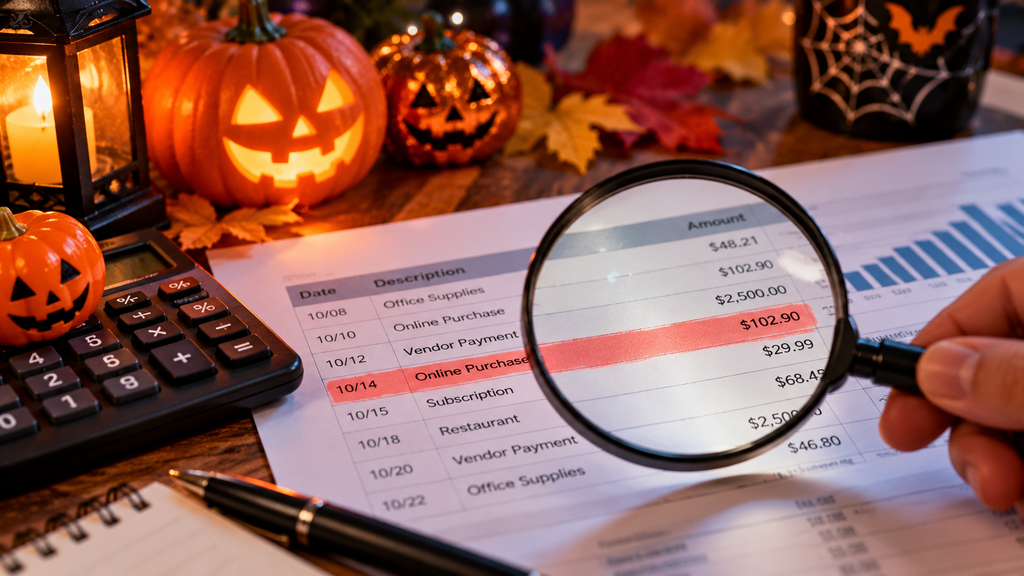
Fraud can be difficult to spot when you aren’t actively looking for it. These warning signs deserve closer attention.
1. Unexpected Tax Notices or Filing Problems
You might receive a tax notice about income you don’t recognize or discover that someone has already filed a return using your Social Security number.
This could indicate tax-related identity theft.
Don’t ignore the notice, but verify it through the tax agency’s official channels before responding.
2. Unfamiliar Bank Transactions
Unexpected withdrawals, transfers, or purchases may indicate unauthorized account activity.
Even small transactions matter. Review unfamiliar charges promptly rather than assuming they’re harmless.
3. Sudden Changes to Vendor Payment Details
Imagine receiving an email from a supplier asking you to send future payments to a new bank account.
The message looks legitimate, but the account belongs to someone else.
This is a common business email compromise tactic.
Always verify payment changes using a trusted phone number already on file.
4. Duplicate or Unusual Expenses
Repeated invoice numbers, unexplained reimbursements, or multiple payments for the same service may indicate an error or possible fraud.
Look for patterns rather than relying on one suspicious transaction.
5. Payroll Records That Don’t Match
Investigate employees who have already left, unexplained overtime, or unauthorized changes to direct deposit details.
Compare payroll reports with current employee records and approved compensation.
6. Missing Financial Documents
Missing receipts, unexplained accounting adjustments, or gaps in transaction records can make suspicious activity harder to identify.
Missing documentation doesn’t prove fraud, but it creates opportunities for errors and misuse.
7. Pressure to Act Immediately
Scammers often create urgency.
They may threaten arrest, demand immediate tax payments, or claim your bank account will be frozen unless you provide information.
Be especially cautious when someone requests payment through unusual methods or discourages you from verifying independently.
How to Prevent Tax Fraud and Protect Your Identity
Preventing tax fraud starts with securing your personal information and filing records.
Protect Your Tax Identification Information
Avoid sharing your Social Security number, taxpayer identification number, or complete tax return unless necessary.
Use secure document portals when exchanging sensitive records with a qualified professional.
Consider an IRS Identity Protection PIN
The IRS offers a free Identity Protection PIN (IP PIN) to eligible taxpayers to verify their identity.
This six-digit number helps prevent someone else from filing a federal individual income tax return using your Social Security number or Individual Taxpayer Identification Number.
The IRS issues a new IP PIN annually, and you must include it when filing applicable federal returns.
Strengthen Account Security
Use unique passwords or passkeys where supported, enable multi-factor authentication, and keep financial software updated.
Protect your primary email account especially carefully because it may be used to reset passwords for other services.
Verify Tax-Related Messages
Don’t assume a message is legitimate simply because it includes an official logo or familiar name.
The IRS generally initiates contact about tax matters through mailed correspondence, although it also uses other authorized communication methods in certain circumstances.
Verify unexpected requests independently rather than clicking unfamiliar links.
Review Your Tax Return Before Filing
Check your income, deductions, dependents, and refund bank details before approving a return.
Filing promptly once your records are complete may also reduce the chance that someone submits a fraudulent return first, although it cannot guarantee protection.
How to Prevent Financial Fraud in Business Bookkeeping
For businesses, reliable bookkeeping is more than an administrative responsibility. It can also support fraud detection.
Here are practical safeguards worth implementing:
- Separate financial responsibilities. When possible, have different people approve payments, record transactions, and reconcile accounts.
- Require payment approvals. Establish clear authorization limits for purchases and transfers.
- Verify vendor changes. Confirm new payment instructions using independently verified contact information.
- Restrict software access. Give employees and contractors only the permissions necessary for their responsibilities.
- Review user activity. Monitor changes to vendors, payroll, bank details, and financial records.
- Reconcile accounts regularly. Compare accounting records against bank and credit card statements.
- Remove outdated access. Revoke permissions promptly when employees or contractors leave.
Smaller organizations may not have enough employees to separate every responsibility.
In those cases, an owner or independent reviewer can examine bank statements and approve sensitive transactions.
IntegriBooks Tip: A financial record is most useful when you can trace a transaction from its original document through approval, payment, and reconciliation.
Want to strengthen your financial recordkeeping habits? Explore IntegriBooks for practical bookkeeping guidance that helps individuals and businesses maintain more organized, reliable records.
A Simple Monthly Financial Fraud Prevention Checklist

You don’t have to wait for an annual audit to review suspicious activity.
Use this monthly routine:
- Reconcile bank and credit card accounts.
- Review unfamiliar payments and withdrawals.
- Check for duplicate invoices and reimbursements.
- Verify new vendors and changes to payment details.
- Compare payroll records with authorized employee information.
- Investigate unusual changes in revenue or expenses.
- Review access permissions for financial accounts and software.
- Document any discrepancies and how they were resolved.
For individuals, the same principle applies: regularly review account statements, tax records, and credit activity.
These checks cannot catch every type of fraud, but they can help identify problems sooner.
How to Choose a Trustworthy Tax Preparer or Bookkeeper
A tax professional or bookkeeper may handle some of your most sensitive financial information.
Before hiring someone:
- Verify professional credentials and relevant experience.
- Ask how your documents and account access will be protected.
- Confirm who will prepare, review, and approve your financial records.
- Request a written agreement describing services and responsibilities.
- Maintain access to your own accounts and financial information.
Paid federal tax return preparers generally must have a valid Preparer Tax Identification Number (PTIN) and sign returns they prepare.
Be cautious of anyone who promises an unusually large refund, refuses to sign a return, or asks you to approve incomplete documents.
A PTIN alone does not establish that someone is a CPA, enrolled agent, or attorney.
What to Do If You Suspect Tax or Financial Fraud
Act quickly, but avoid making accusations before the facts are established.
1. Contact your financial institution. Report suspicious transactions immediately and ask about account protection or recovery options.
2. Secure affected accounts. Change compromised passwords, enable multi-factor authentication, and revoke unauthorized access.
3. Preserve evidence. Keep suspicious emails, invoices, transaction records, and relevant account activity. Avoid altering records that may be needed for an investigation.
4. Report the incident appropriately. Depending on the situation, you may need to contact your bank, the IRS, the Federal Trade Commission, the FBI’s Internet Crime Complaint Center, or law enforcement.
5. Seek professional assistance. An accountant, attorney, or cybersecurity professional can help assess the incident and determine next steps.
For suspected U.S. tax identity theft, follow IRS identity theft procedures. Form 14039 may be appropriate in certain circumstances, but it isn’t required for every suspicious tax incident.
Suspected misconduct by a paid tax return preparer can be reported through the IRS’s return preparer complaint process.
If the incident involves a business, consider any insurance, contractual, or legal notification requirements.
Frequently Asked Questions
What are the most common warning signs of financial fraud?
Common warning signs include unfamiliar transactions, unexpected account changes, duplicate payments, suspicious invoices, and unauthorized payroll activity.
Can bookkeeping help detect fraud?
Yes. Consistent reconciliations, transaction reviews, and supporting documentation can reveal discrepancies that warrant investigation. Bookkeeping alone cannot guarantee that fraud will be detected.
How can I protect myself from tax identity theft?
Secure your tax identification information, consider an IRS IP PIN, protect your online accounts, and review your tax records for unexpected activity.
What should I do if I receive a suspicious IRS message?
Don’t provide sensitive information or make payments based solely on the message. Verify the communication through official IRS channels.
Final Thoughts
Tax and financial fraud can affect anyone, regardless of income, business size, or financial experience.
No single safeguard can eliminate every risk, but good financial habits make suspicious activity easier to spot.
Protect your information, verify unusual requests, review your records regularly, and respond promptly when something doesn’t look right.
Looking for more ways to keep your financial records accurate and organized? Visit IntegriBooks for practical guidance on bookkeeping, financial security, and better recordkeeping practices.
Disclaimer: This article provides general U.S.-focused educational information and does not constitute legal, tax, financial, or cybersecurity advice. Consult qualified professionals and relevant authorities for guidance specific to your circumstances.